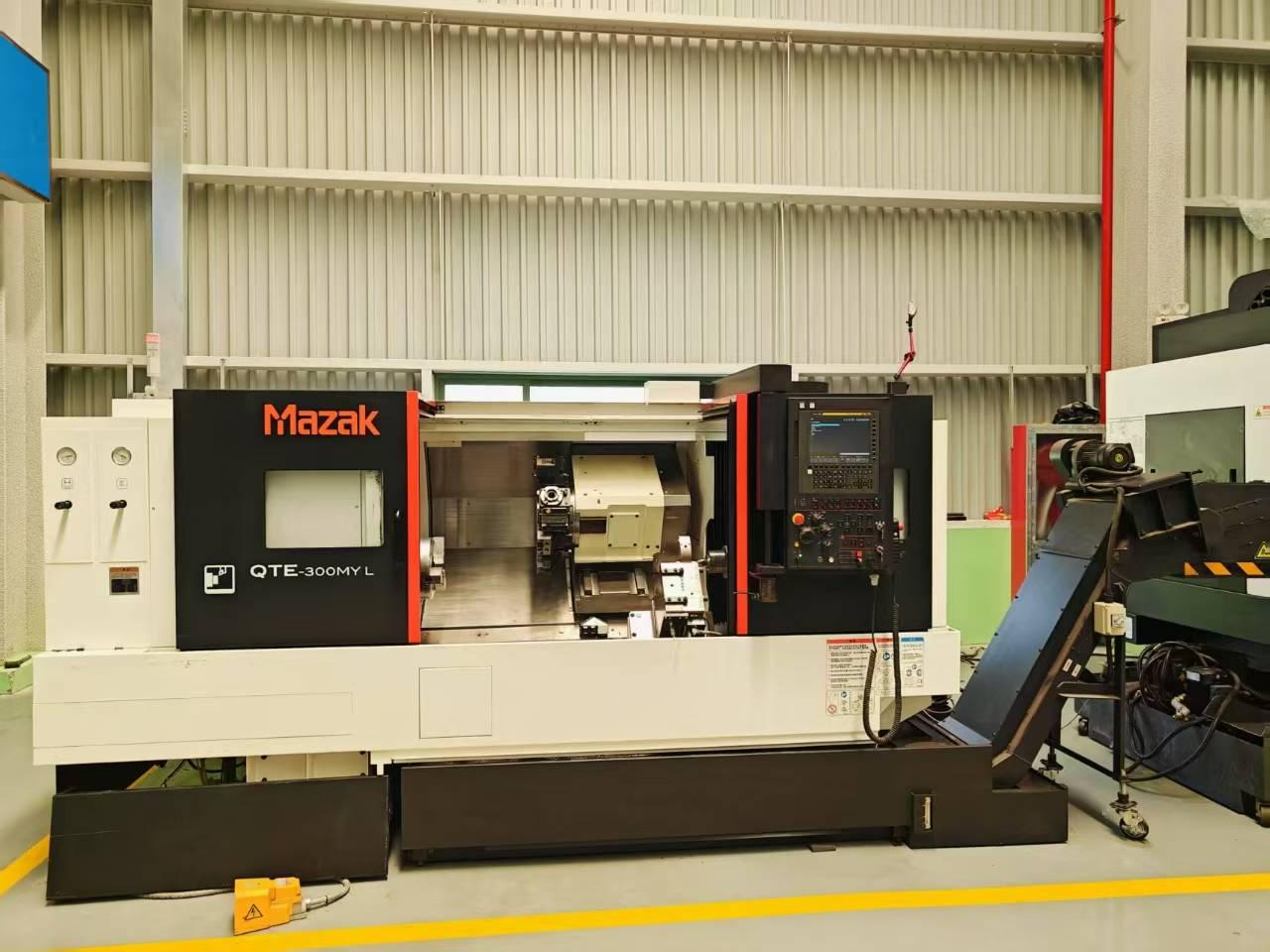
used machine tool repair
Repairing used machine tools is a critical process to ensure their functionality, safety, and compliance with operational standards, especially in markets like Qatar where imported used equipment must meet specific regulations. The repair process varies based on the type of machine (e.g., lathes, milling machines, CNC systems), its condition, and the issues identified (mechanical wear, electrical faults, or software glitches). Below is a detailed overview of key aspects of used machine tool repair:
### **1. Common Issues in Used Machine Tools Requiring Repair**
Used machine tools often develop problems due to aging, wear, improper maintenance, or transportation damage. Typical issues include:
- **Mechanical Problems**:
- Wear or damage to moving parts (bearings, gears, spindles, or guide rails).
- Misalignment of components (e.g., in lathes or grinders), leading to precision loss.
- Rust, corrosion, or deformation from exposure to moisture or harsh storage conditions.
- **Electrical/Electronic Faults**:
- Malfunctioning motors, sensors, or control panels.
- Damaged wiring, connectors, or circuit boards (common in CNC machines).
- Software errors or outdated firmware in computerized systems.
- **Hydraulic/Pneumatic Issues**:
- Leaks in hydraulic lines, faulty pumps, or degraded seals.
- Air pressure irregularities in pneumatic systems, affecting tool movement.
- **Safety Concerns**:
- Missing or damaged safety guards, emergency stop buttons, or warning labels.
- Non-compliance with local safety standards (e.g., electrical safety codes in Qatar).
### **2. Key Steps in Used Machine Tool Repair**
#### **a. Diagnostic Assessment**
- **Visual Inspection**: Check for obvious damage (rust, cracks, loose parts) and safety hazards.
- **Functional Testing**: Operate the machine to identify performance issues (e.g., unusual noises, vibration, or precision errors).
- **Technical Diagnostics**:
- Use specialized tools (e.g., dial indicators, laser alignment tools) to measure misalignment or wear.
- For CNC machines, run diagnostic software to detect software bugs or sensor failures.
- Test electrical systems with multimeters or oscilloscopes to identify short circuits or voltage irregularities.
#### **b. Repair Planning**
- Prioritize critical issues (e.g., safety faults or those affecting operability) and estimate costs for parts, labor, and replacement components.
- Source genuine or compatible spare parts (considering availability in Qatar or import requirements for specialized parts).
#### **c. Mechanical Repairs**
- **Component Replacement**: Replace worn parts (bearings, belts,刀具 holders) with new or reconditioned alternatives.
- **Refurbishment**: Resurface or regrind damaged surfaces (e.g., guide rails) to restore precision.
- **Alignment and Calibration**: Realign axes, spindles, or tool changers using precision instruments to ensure accuracy (critical for CNC machines).
#### **d. Electrical and Electronic Repairs**
- Repair or replace faulty wiring, motors, or control modules.
- Update or reconfigure software/firmware in CNC systems to resolve compatibility issues or improve performance.
- Ensure compliance with electrical safety standards (e.g., Qatar’s Kahramaa regulations for electrical equipment).
#### **e. Hydraulic/Pneumatic Repairs**
- Fix leaks, replace seals, or repair pumps to restore pressure and fluid flow.
- Clean or replace filters to prevent contamination in hydraulic/pneumatic systems.
#### **f. Safety Compliance**
- Restore or install missing safety features (guards, emergency stops, warning labels) to meet local regulations (e.g., Qatar’s occupational safety standards).
- Test safety interlocks and emergency shutdown functions to ensure they operate correctly.
### **3. Considerations for Repairing Used Machine Tools in Qatar**
- **Local Expertise**: Availability of skilled technicians familiar with specific machine brands (e.g., Haas, Mazak, Siemens) may affect repair quality and turnaround time.
- **Spare Parts Sourcing**: Importing spare parts may require compliance with Qatar’s customs regulations (e.g., documentation, duties), which can delay repairs.
- **Cost vs. Replacement**: For severely damaged machines, repairing may be less cost-effective than replacing them, especially if parts are scarce or the machine is obsolete.
- **Post-Repair Inspection**: After repairs, re-inspection may be necessary to ensure the machine meets Qatar’s operational and safety standards (especially for imported used equipment).
### **4. Post-Repair Maintenance**
To extend the lifespan of repaired used machine tools:
- Implement regular maintenance schedules (lubrication, cleaning, part inspections).
- Train operators on proper usage to prevent premature wear.
- Monitor performance metrics (e.g., precision, noise levels) to catch issues early.
In summary, repairing used machine tools involves a systematic approach to diagnostics, component replacement, and compliance with safety standards. In Qatar, factors like local technical capacity and spare parts availability play key roles in ensuring effective and timely repairs.