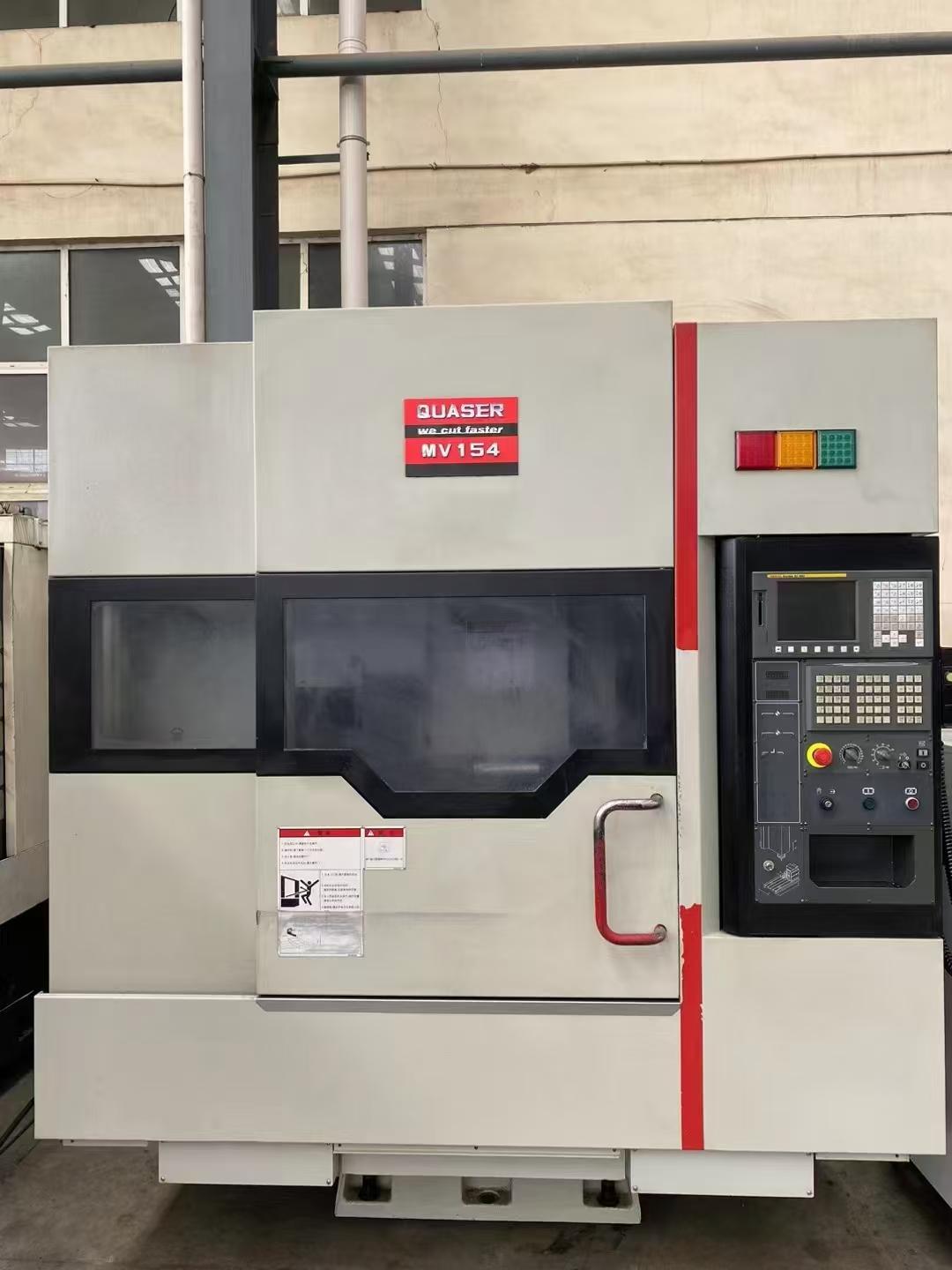
What are the factors to consider when purchasing used machine tools in Scotland?
Purchasing used machine tools in Scotland requires careful consideration to ensure you get a reliable, cost-effective asset that aligns with your operational needs. Below are the key factors to evaluate:
### **1. Machine Condition & Performance**
The physical and functional state of the equipment is paramount.
- **Visual Inspection**: Check for signs of excessive wear, rust, or damage (e.g., cracked frames, bent tooling, or leaking fluids in hydraulic systems). For metalworking machines like lathes or milling machines, inspect guideways, spindles, and gears—uneven wear here can compromise precision.
- **Operational Testing**: Request a live demonstration to verify functionality. For CNC machines, test axis movement, spindle speed, and control system responsiveness (e.g., do programs run smoothly? Are there error codes?). For presses or shears, check for consistent force application and alignment.
- **Service History**: Ask for maintenance records, repair logs, and calibration certificates. A well-documented history (e.g., regular oil changes, part replacements) indicates the machine was cared for. Absence of records may signal neglect.
### **2. Compatibility with Your Needs**
Ensure the machine fits your production requirements.
- **Capacity & Specifications**: Match the machine’s size, power, and capabilities to your workload. For example:
- A CNC lathe’s maximum swing diameter must accommodate your largest workpieces.
- A press brake’s tonnage must handle the thickness of metal you regularly bend.
- **Technical Compatibility**: For CNC equipment, check if the control system (e.g., Fanuc, Siemens) is compatible with your existing software or operator skills. Older controls may lack modern features (e.g., IoT integration) but could still work if your team is familiar with them.
- **Space & Installation**: Measure your workshop space and confirm the machine’s dimensions (including clearance for operation) fit. Also, check power requirements (voltage, phase) to avoid costly electrical upgrades.
### **3. Cost & Total Ownership Expenses**
While upfront cost is a key driver, factor in long-term expenses.
- **Purchase Price**: Compare prices across sellers (local dealers, auctions, online platforms) to ensure fairness. Be wary of unusually low prices—they may hide hidden issues (e.g., worn-out components needing immediate replacement).
- **Refurbishment Costs**: If the machine needs repairs (e.g., replacing bearings, upgrading controls, or repainting), get quotes from local engineers (e.g., Scottish machining specialists) to estimate these expenses. Add this to the purchase price to calculate the “true cost.”
- **Spare Parts Availability**: Ensure replacement parts (e.g., belts, tool holders, control panels) are readily available in Scotland. For older or niche brands, parts may be scarce or require importing, leading to downtime. Popular brands like Haas, Mazak, or Colchester are safer bets here.
### **4. Seller Reputation & Support**
Choose trustworthy sellers to mitigate risks.
- **Seller Type**:
- **Local Dealers**: Reputable firms (e.g., Scottish Machinery Ltd., Aberdeen Engineering Supplies) often refurbish machines, offer warranties (3–12 months), and provide post-purchase support. This is ideal for buyers seeking peace of mind.
- **Private Sellers/Auctions**: These may offer lower prices but rarely include warranties. Inspect rigorously, and consider hiring a third-party inspector if buying at auction (e.g., McTear’s in Glasgow).
- **Reviews & References**: Ask for customer references or check online reviews (e.g., Google, industry forums) to gauge the seller’s reliability. A seller with a history of unresolved complaints is a red flag.
### **5. Legal & Compliance Checks**
Ensure the machine meets regulations and has clear ownership.
- **Safety Standards**: Verify the machine complies with UK safety laws (e.g., CE marking for machinery, guards on moving parts) to avoid fines or workplace accidents. Older machines may need retrofits (e.g., adding emergency stops) to meet current standards.
- **Ownership Documentation**: Request proof of ownership (e.g., invoices, receipts) to avoid buying stolen equipment. This is especially critical at auctions or when purchasing from private sellers.
### **6. Post-Purchase Support**
- **Warranty**: Prioritize machines with a warranty, even a short one, as it covers unexpected failures. Dealers may offer extended warranties for an extra fee.
- **Service Networks**: Check if local engineers or the manufacturer’s Scottish service partners (e.g., for brands like Yamazaki Mazak) can provide repairs or maintenance. Remote areas (e.g., the Highlands) may have limited support, so proximity matters.
### **7. Future Resale Value**
If you plan to upgrade later, consider the machine’s marketability. Popular brands (e.g., Haas, Bridgeport) or versatile models (e.g., multi-axis CNC mills) tend to retain value better than obscure or highly specialized equipment.
By systematically evaluating these factors, you can minimize risks and secure a used machine tool that delivers reliable performance for years to come—whether you’re a small workshop in Edinburgh, an aerospace supplier in Glasgow, or an energy sector firm in Aberdeen.